Dry fog and thermal fogging that gets behind walls, not just on them
Mold Fogging Treatment in VALLEY VILLAGE, California That Reaches Every Spore
Mold Fogging Treatment in VALLEY VILLAGE, California is the fastest way to knock down airborne spores you cannot see or scrub. Our fogging crews treat attics, crawl spaces, closets, and HVAC systems across the 91607 zip, then verify the work with post-treatment spore trap samples. If you smell that musty odor after a leak or a wet winter, call (833) 929-5837 and we will fog it out.
Live phone supportUpfront optionsBacked workmanship
What's included
What's Included in a Fogging Job
Every fogging job we run in Valley Village includes the same core scope. If your space needs something beyond this, we tell you before we start and price it separately. No surprise line items on the invoice.
Containment and Negative Air
Polyethylene sheeting seals the work zone, and a negative air machine with HEPA filtration keeps spores from drifting into the rest of your home. We verify the pressure differential before anyone enters the space.
HEPA Vacuuming
Every exposed surface gets HEPA vacuumed before fogging. This step removes the settled dust and debris that would otherwise block the antimicrobial from reaching the surface. Skipping it is the most common reason a fogging job fails.
Fogging Application
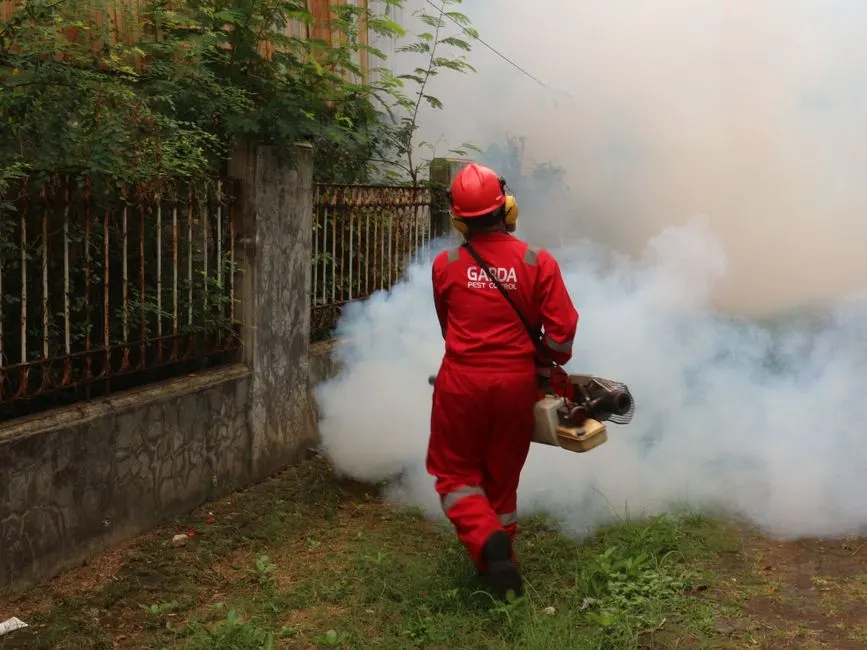
We run dry fog or thermal fog depending on the space. A 1,500 square foot crawl space takes about 60 to 90 minutes of application. We keep the space sealed for 2 hours of dwell time, then ventilate with air scrubbers.
Clearance Spore Sampling
After the space is dry, we run a spore trap sampler and compare the indoor count to an outdoor baseline. You get the lab report by email within 24 to 48 hours. If the count does not clear, we re-fog at no charge.
Written Scope and Photos
You get a written scope before we start and photos of every moisture reading and every treated area. That documentation is what you hand to a landlord, an insurer, or a buyer's inspector.
Moisture Source Verification
Before we leave, we confirm with a moisture meter that the source of the water has been addressed. Fogging a space that is still wet is a waste of money. If we find an active leak, we tell you and stop until it is fixed.
Service overview
What Mold Fogging Treatment in VALLEY VILLAGE, California Actually Does
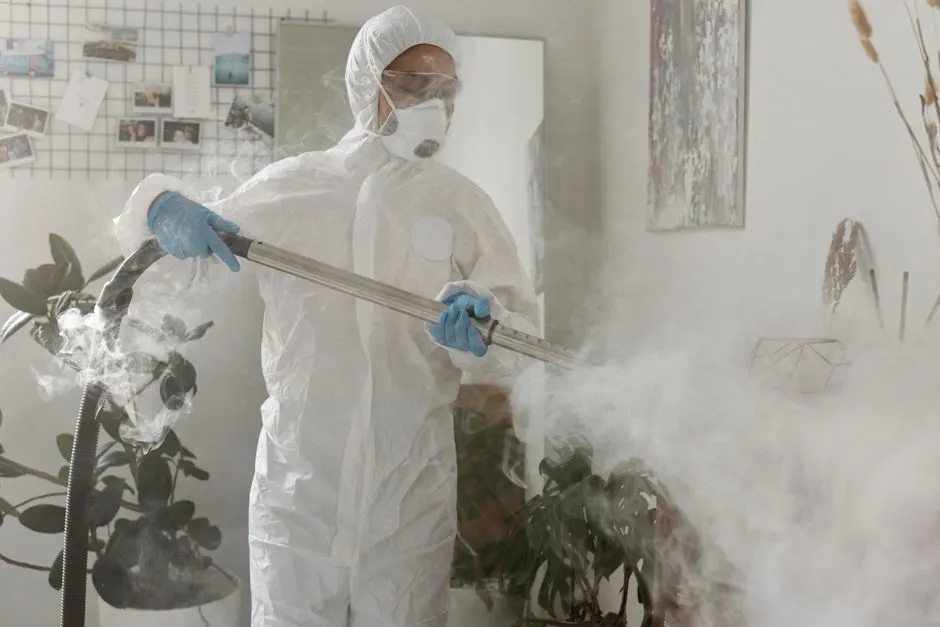
Mold Fogging Treatment in VALLEY VILLAGE, California is a whole-room disinfection process that turns a liquid antimicrobial into a fine mist and pushes it into every crack, corner, and duct run where mold spores settle. We use both dry fog and thermal foggers depending on the surface. A dry fog unit puts out a 5 to 15 micron droplet that floats for 45 to 90 minutes and coats surfaces without soaking drywall. A thermal fogger heats the solution into a visible vapor that behaves like smoke, chasing spores into the same voids they hid in after your water damage.
Most Valley Village calls come from one of three places: a 1940s bungalow with a crawl space that never dried out, a condo with a bathroom exhaust fan venting into the attic, or an HVAC system that pulled in mold from a leaking pan. Fogging handles the airborne load those spaces create. It is not a substitute for removing rotted drywall or treating a structural leak, but it is the step that stops spores from recolonizing the rooms you just cleaned. We pair it with HEPA vacuuming and air scrubbing so the fog does not just move spores around.
How we workWe verify the cause, compare realistic options, and confirm the repair before we leave.
The service timeline
How Our Fogging Process Runs
The process flexes to the condition, but these checkpoints keep decisions clear.
Inspection and Moisture Mapping
We start with a moisture meter, a thermal imaging camera, and a borescope camera to find where the water came from and how far the mold has spread. This takes 45 to 90 minutes on a typical Valley Village home. You get photos of every reading and a written scope the same day.
Containment Setup
We hang polyethylene sheeting to seal off the work zone and install a negative air machine with HEPA filtration. That keeps spores from drifting into your living room while we work. Negative air ducting runs to a window, and we verify the pressure differential before anyone enters the space.
Physical Removal and HEPA Cleaning
Any porous material with active growth comes out first. Then we HEPA vacuum every exposed surface, including framing, joists, and the tops of ducts. This step is what makes the fogging work, because fog cannot penetrate a layer of settled dust and debris.
Fogging Application
We load the fogger with an EPA-registered antimicrobial such as Concrobium or Benefect and run it in passes. A 1,500 square foot crawl space takes about 60 to 90 minutes. We keep the space sealed for another 2 hours so the mist has time to reach every void, then ventilate with air scrubbers.
Clearance Testing
Once the space is dry, we run a spore trap sampler and compare indoor counts against an outdoor baseline. If the numbers do not clear, we fog again at no extra charge. You get the lab report by email, usually within 24 to 48 hours.
Tools & methods
Tools and Methods We Use
Purpose-built equipment, used by trained technicians, so the job is done accurately the first time.
Thermal Fogger
Heats the antimicrobial solution into a visible vapor that behaves like smoke. Used for crawl spaces, attics, and unoccupied structures where deep void penetration matters most.
Dry Fog Unit
Puts out a 5 to 15 micron droplet that floats for 45 to 90 minutes without soaking surfaces. Used in finished basements, occupied units, and anywhere drywall or cabinetry needs to stay intact.
Thermal Imaging Camera
Finds temperature differences that reveal hidden moisture behind walls and under floors. This is how we locate the source before we ever load the fogger.
Borescope Camera
Slides into wall cavities and duct runs to confirm mold growth in spaces we cannot see directly. Photos from the borescope go into your written scope.
Air Scrubber and Negative Air Machine
HEPA filtration units that keep the work zone under negative pressure and clean the air during and after fogging. We run them until the clearance sample passes.
Spore Trap Sampler
Collects airborne spores on a slide for lab analysis. We run one before fogging and one after, then compare both to an outdoor baseline.
Moisture Meter
Confirms that the water source has been addressed before we fog. Fogging a wet space is a waste of money, so this reading gates the job.
Use cases
When to Call for Fogging
These examples show how the service framework adapts rather than forcing every call through one repair.
Attic Fogging After a Roof Leak in North Hollywood
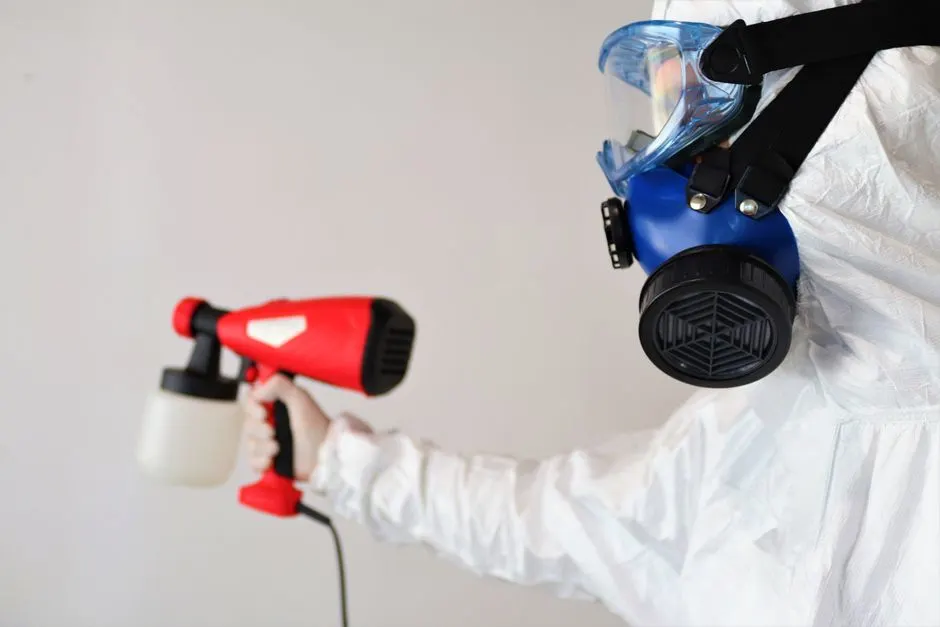
A roof repair left a slow leak that soaked the attic sheathing for about six weeks. Black spotting covered roughly 80 square feet of decking, and the bathroom exhaust fan was venting straight into the attic instead of outside. → We removed the compromised sheathing, thermal fogged the rafter bays and top plates, and rerouted the exhaust fan to vent through the roof. The post-remediation spore sample cleared on the first pass.
Dry Fog in an Occupied Studio City Condo
A slab leak in a ground-floor unit soaked the baseboards and lower drywall in two rooms. The tenant could not relocate, and the HOA needed documentation before approving the repair. Visible mold covered about 40 square feet of drywall. → We set containment, removed the wet drywall, HEPA vacuumed the framing, and ran dry fog so the tenant could stay in the unit. Clearance testing passed on the first sample, and the HOA got the lab report within 48 hours.
Problems we solve
Problems Our Fogging Service Solves
Fogging is the answer to a specific set of problems that surface cleaning cannot touch. If any of these sound familiar, a fogging assessment is the right next step.
Musty odor that comes back after cleaning
We locate the source with a thermal imaging camera and borescope, then fog the void directly. The antimicrobial neutralizes the compounds at the source. A moisture meter reading confirms the space is dry before we finish.
Mold in HVAC ducts spreading through the house
We isolate the air handler, HEPA vacuum the accessible duct runs, and fog the plenum and coil housing with a dry fog unit. A spore trap sample at the return grille confirms the count dropped before we reconnect the system.
Crawl space mold after a wet winter
We remove fallen insulation, HEPA vacuum the joists, thermal fog the entire crawl space, and install a new vapor barrier. The fog reaches the top plates and rim joists that hand-wiping cannot. Clearance testing confirms the spore count cleared.
Attic mold from a bathroom exhaust fan
We remove any compromised sheathing, thermal fog the rafter bays and top plates, and reroute the exhaust fan to vent outside. A post-remediation spore sample confirms the attic is clean before we close it up.
Pricing process
What Fogging Costs in 2026
$450 - $1,800 for most residential fogging jobs, with clearance testing included
Square Footage Treated
A 400 square foot crawl space takes about 60 minutes to fog. A 2,000 square foot home with an attic, crawl space, and HVAC system can take 4 to 6 hours. Labor and product scale with the space.
Number of Passes
Heavy growth sometimes needs two or three fogging passes with a dwell period between each. We tell you upfront how many passes your space needs based on the inspection, not after the fact.
HVAC Treatment
Treating the air handler, plenum, and accessible duct runs adds time and product. It is often the difference between a musty smell that comes back and one that stays gone.
How much does mold fogging treatment cost in VALLEY VILLAGE California?
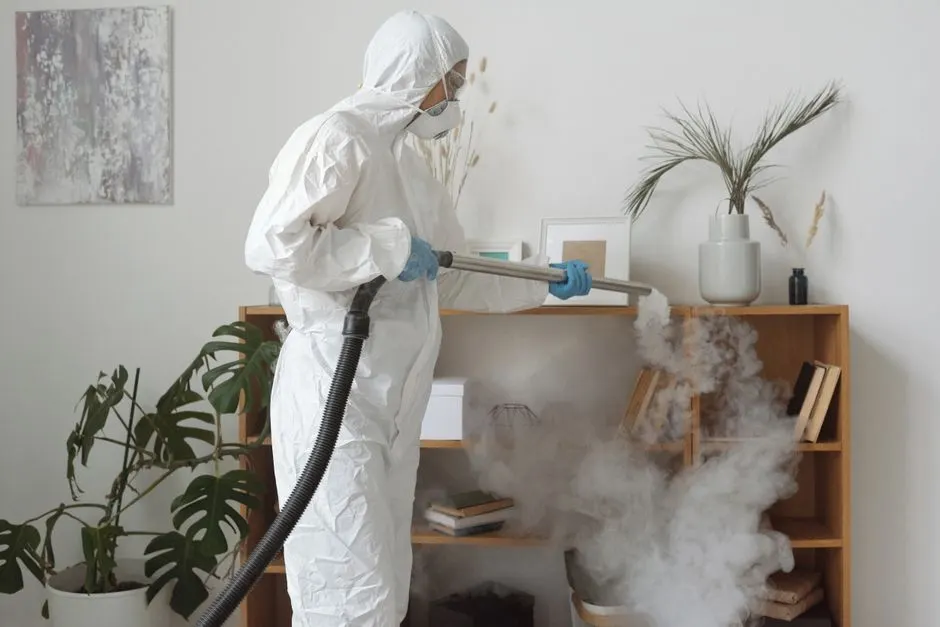
Most residential fogging jobs in Valley Village run $450 to $1,800 in 2026, depending on square footage and how many passes the space needs. A single crawl space or attic typically lands at the low end. A whole-home job with HVAC treatment and containment usually sits at the high end. Clearance testing is included in every quote.
Is mold fogging remediation safe for pets in VALLEY VILLAGE California?
Yes, once the fog has settled and the space is ventilated. We ask that pets, plants, and people stay out of the treated area for 2 to 4 hours after application. We use EPA-registered products like Concrobium and Benefect, which are low-toxicity by design. Your technician will tell you the exact re-entry time before leaving.
How long does mold fogging take in VALLEY VILLAGE California?
A typical single-room or crawl space fogging takes 60 to 90 minutes of active application, plus 2 hours of dwell time and 30 to 60 minutes of ventilation. Whole-home jobs with HVAC treatment can run 4 to 6 hours. Most customers are back in the space the same day.
Does mold fogging treatment in VALLEY VILLAGE California kill mold spores?
It kills the airborne spores it contacts and neutralizes the surface spores on every exposed material. It does not remove mold from inside porous materials like wet drywall or soaked insulation, which is why we remove those first. Fogging is the final kill step, not a standalone fix for active water damage.
Related services
Related Services
Mold Inspection Near Me
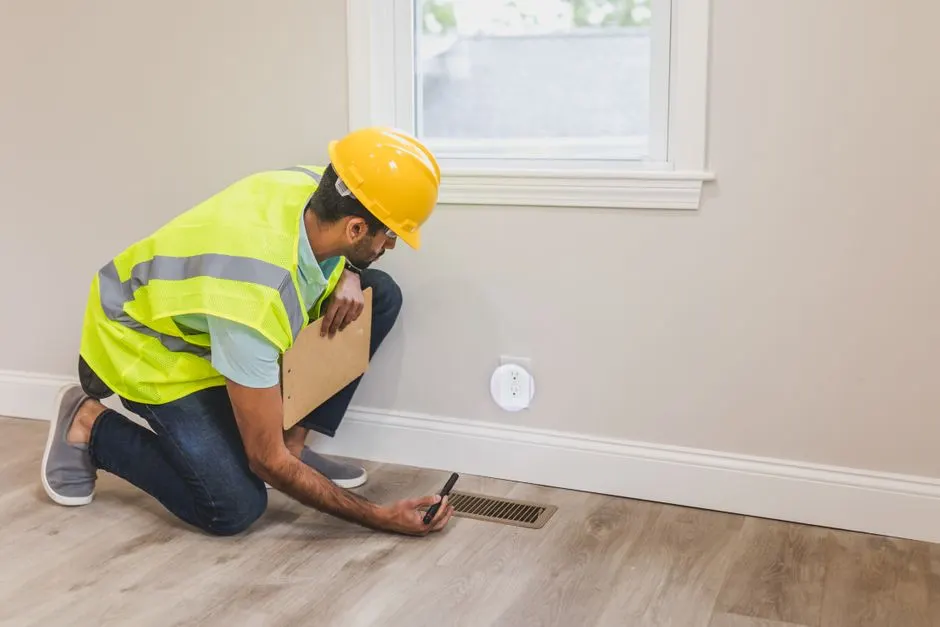
A fogging job starts with an inspection. We map moisture with a thermal imaging camera and borescope, then scope the fogging passes around what we find. Valley Village customers usually get the inspection and the fogging quote in one visit.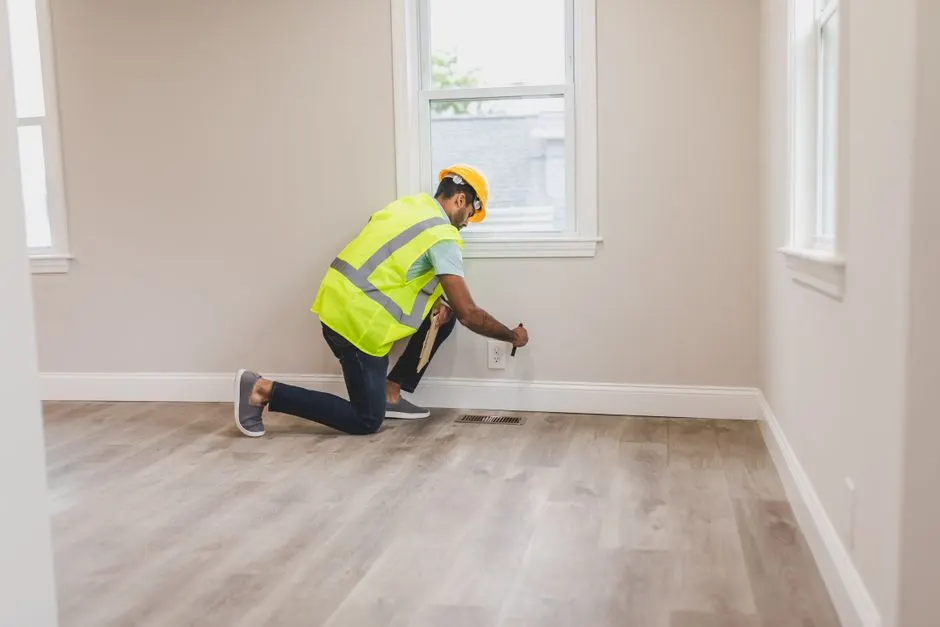
Mold Inspection
Full visual and moisture inspection of the areas fogging will treat. We check attic decking, crawl space joists, and HVAC plenums before we load the fogger. That inspection determines how many passes your space needs.
Mold Testing
Lab-based testing tells us what species you are dealing with before fogging. Black mold and common Cladosporium respond differently to treatment. We use the results to pick the right antimicrobial and confirm the fogging worked.Ready when you are
Book Mold Fogging Treatment in VALLEY VILLAGE, California Today
If you smell musty air or see spotting on framing, the sooner we fog, the less material comes out. Call (833) 929-5837 for a same-day assessment. We are licensed, insured, and we include clearance testing with every fogging job.
Talk with the local team
Request Mold Fogging Treatment
Call (833) 929-5837 any time, day or night, and a live dispatcher will set up your inspection. We answer 24/7 for emergencies and schedule same-day appointments whenever our crews have an opening. If you prefer email, send us your address and a short description of what you are seeing, and we will get back to you the same business day.